 CrownPeak Roofing
Roof Ventilation & Insulation in Reading
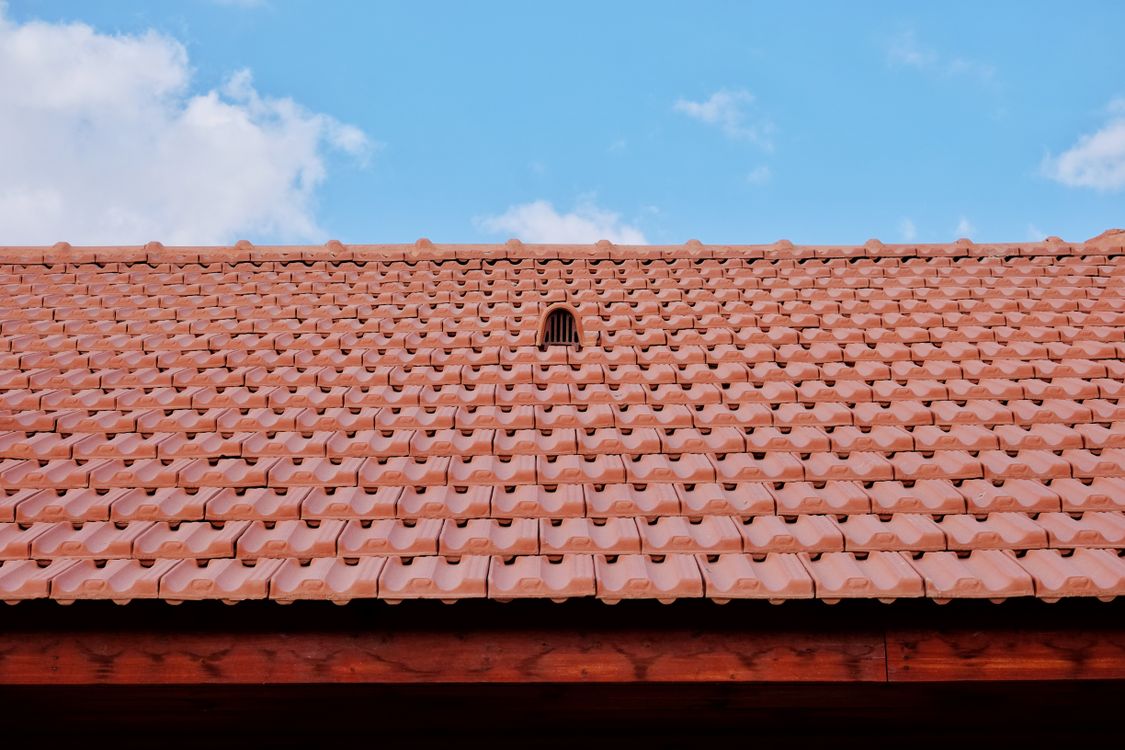
Keep Your Reading Home Warm, Dry, and Energy Efficient
CrownPeak Roofing provides professional roof ventilation and loft insulation services across Reading. Proper ventilation prevents condensation, damp, and timber decay in your roof space, while adequate insulation keeps your home warm in winter and cool in summer — cutting your energy bills significantly. We serve all RG1, RG2, RG4, RG6, RG30, RG31 postcodes across Reading.
Many Reading homes lose up to 25% of their heat through a poorly insulated roof. From Victorian terraces in central Reading to 1930s semis in Caversham and modern estates in Lower Earley — and a surprising number still have inadequate loft insulation or no roof ventilation at all. Modern building standards require a minimum of 270mm mineral wool insulation and cross-ventilation in the roof space. If your Reading property doesn't meet these standards, you're paying more than necessary to heat your home and risking condensation damage to your roof timbers.
Why Roof Ventilation Is Critical in Reading
Condensation in the loft is one of the most underdiagnosed problems in Reading homes. When warm, moist air from bathrooms, kitchens, and daily living rises into a cold, unventilated roof space, it condenses on the underside of the roof felt and on timber surfaces. Over time, this persistent moisture causes felt degradation, timber rot, mould growth, and can even saturate insulation — reducing its effectiveness.
Homes in Caversham, Tilehurst, and Earley are particularly vulnerable if they were built before modern ventilation requirements came into force. Retrofitting ridge vents, soffit vents, or tile vents is straightforward and cost-effective — and it protects your roof timbers from expensive damage down the line.
Ventilation & Insulation Services
- Loft insulation upgrades (mineral wool, boards)
- Ridge vent installation
- Continuous soffit vent fitting
- Tile vent and slate vent installation
- Condensation investigation and solutions
- Vapour barrier installation
- Breathable membrane upgrades
- Cross-ventilation retrofitting
- Loft hatch insulation and draught sealing
- Energy efficiency assessments
Why Choose CrownPeak in Reading
- Reaching Reading within 25 minutes
- Free loft and ventilation assessment
- Solutions tailored to your property type
- Potential energy savings of competitive rates/year
- Work meets current Building Regulations
- Fully insured to £5 million
Common Ventilation Issues in Reading Homes
The most common issue we see in Reading is blocked or non-existent soffit vents. In many Caversham and Tilehurst properties, the original construction provided no deliberate ventilation path — or the soffits were later boarded over during fascia replacements, sealing the roof space completely. Without airflow, condensation is inevitable during cold months.
Homes in Woodley and Whitley with recent loft insulation upgrades often develop condensation problems afterwards. This happens when insulation is packed against the roof felt without leaving a ventilation gap — the warm air below the insulation meets the cold felt and condenses. We solve this by ensuring a clear 50mm ventilation channel above the insulation from eaves to ridge.
Our Ventilation & Insulation Process in Reading
We begin every project in Reading with a thorough loft inspection. Our surveyor measures existing insulation depth and type, checks for signs of condensation (wet felt, mould, timber staining), assesses current ventilation provision, and identifies any issues with vapour barriers or insulation placement. We also check the roof structure for any existing damage that should be addressed before improving insulation. You receive a written report with photographs and a clear recommendation.
Installation is clean and efficient. For insulation top-ups, we carefully lay new mineral wool rolls between and across the joists, ensuring full coverage without blocking eaves ventilation. For ventilation upgrades, we cut and fit continuous soffit strips, install ridge vent systems from the outside, or add tile vents at appropriate positions to achieve the required airflow. We always address both ventilation and insulation together — one without the other creates problems rather than solving them. Every job in Reading is finished with a thorough clean-up and a detailed completion report.
Ventilation & Insulation Costs in Reading — What to Expect
Loft insulation costs in Reading are surprisingly affordable given the energy savings. Topping up existing insulation to the recommended 270mm with mineral wool is competitively priced for a typical 3-bed semi. Full removal and replacement (needed if existing insulation is damp, contaminated, or vermiculite-based) is competitively priced. Rigid board insulation for loft conversions or room-in-roof installations is competitively priced depending on the area.
Ventilation upgrades in Reading are equally cost-effective. Continuous soffit vent installation runs competitive rates for a typical property. Ridge vent installation is competitively priced. A combined ventilation and insulation package — which we recommend for most Reading homes — typically is competitively priced and pays for itself through energy savings within 2-4 years. We provide written quotes with an estimated payback period so you can see the return on your investment.
When to Address Ventilation and Insulation in Your Reading Home
The best time to upgrade your Reading loft insulation is before winter, when energy prices are highest and heat loss costs you the most. However, condensation problems should be addressed as soon as they are noticed — waiting allows moisture to damage roof timbers that are expensive to repair. Key signs that your Reading home needs attention include: unusually high heating bills compared to similar properties, cold spots on upper-floor ceilings, ice forming on the underside of roof felt in winter, and any visible mould or damp in the loft space.
We also strongly recommend a ventilation and insulation assessment for Reading homes that have recently had new soffits, fascias, or bargeboards fitted. Many installation teams inadvertently block existing ventilation when fitting new boards. Similarly, if you have had cavity wall insulation installed, the increased airtightness of your walls can push more moisture into the loft — making adequate roof ventilation even more important.
Ventilation Solutions for Reading Housing Stock
Reading climate and housing mix create specific ventilation and insulation challenges. Older properties in Caversham and Tilehurst often have naturally draughty construction that provided accidental ventilation — but as homeowners improve windows, doors, and wall insulation, these draught paths close and loft condensation can increase dramatically. We frequently help Reading homeowners who have invested in double glazing and wall insulation only to discover condensation problems appearing in the loft for the first time.
Properties in Earley, Woodley, and Whitley built during the 1960s-1980s often have bitumen-based roofing felt (Type 1F) that is non-breathable — this type of felt is particularly prone to condensation problems because moisture cannot escape through it. Where budget allows, we recommend upgrading to modern breathable membrane (Type LR) during re-roofing work. Where re-roofing is not planned, achieving excellent cross-ventilation through soffit and ridge vents is essential to keep the loft dry and protect the timbers.
Mineral Wool vs Rigid Board Insulation — Which Is Right for Your Reading Loft?
For standard loft spaces used purely for storage, mineral wool rolls laid between and across the joists are the most cost-effective insulation option. They are easy to install, achieve excellent thermal performance (0.044 W/mK or better), and allow the loft floor to breathe. The recommended depth is 270mm — typically 100mm between joists and 170mm across them. This is the solution we install most frequently in Reading homes.
For loft conversions, room-in-roof insulation, or lofts where maximum headroom is needed, rigid PIR (polyisocyanurate) boards are the better choice. These achieve the same thermal performance in half the thickness of mineral wool (100mm of PIR equals 170mm of mineral wool). They are fitted between and under the rafters and are covered with plasterboard to create a finished room. For Reading homeowners considering a loft conversion, rigid board insulation between the rafters is the standard approach and meets Building Regulations requirements for habitable rooms.
Warmer Home, Lower Bills in Reading
Free ventilation and insulation assessment for Reading homes. Call today.
Roof Ventilation & Insulation in Reading — Your Questions Answered
Rigid board insulation for loft conversions costs more. We offer free assessments for all Reading properties.
For many Reading homes with older or insufficient insulation, the savings are substantial and the insulation pays for itself within 2-3 years.
Building Regulations require continuous ventilation at eaves level (equivalent to a 10mm gap for pitched roofs over 15°) and, for roofs over 35° pitch, additional high-level ventilation at the ridge (5mm equivalent gap). Most Reading properties need a combination of soffit vents and ridge or tile vents to achieve adequate cross-ventilation.
Yes, if installed incorrectly. Insulation makes the loft space colder (because heat stays in your living space), which increases condensation risk if ventilation is inadequate. That's why we always assess and upgrade ventilation before or alongside insulation work in Reading properties. The two must work together.
Check for: water droplets on the underside of roofing felt, damp or wet insulation, mould or dark staining on timber rafters, a musty smell when entering the loft, or peeling paint on upstairs ceilings. If you spot any of these in your Reading property, call us for a free inspection before the moisture causes timber damage.
Often, yes. Many Reading homes have 100mm or less of insulation — well below the current recommended 270mm. Even if you have 200mm, topping up to 270mm provides a worthwhile improvement. We measure your existing insulation depth during our free assessment.
A breathable membrane (Type LR underlay) allows moisture vapour to pass through from inside the loft to outside, reducing condensation risk. It replaced traditional non-breathable bitumen felt (Type 1F) in modern construction. If your Reading property was built before 2000, it likely has non-breathable felt. While ideal, replacing the membrane requires stripping the roof — so for most properties, improving ventilation with soffit and ridge vents achieves a similar result at a fraction of the cost.
Yes. For flat roof extensions that are cold in winter, we can install rigid insulation board to the underside of the roof deck, followed by a vapour barrier and plasterboard finish. This is called warm deck insulation and is the most effective method for flat roofs. Alternatively, if the flat roof covering is being replaced, insulation can be added on top of the deck — the preferred method for new flat roof builds in Reading.
Verified Reviews

“Our loft conversion needed proper insulation and ventilation. CrownPeak installed breathable membrane, insulation boards, and mechanical vents.”

“They insulated our loft to current building regs. Our heating bills have dropped significantly and the upstairs rooms are much more comfortable.”

“They installed PIR insulation boards between the rafters for our loft conversion. Meets all the regs. Very professional work.”
Areas We Cover in Reading
We provide roof ventilation & insulation services across every neighbourhood in Reading and surrounding areas. No matter where you are in the RG1, RG2, RG4, RG6, RG30, RG31 postcode areas, our local team can reach you quickly.